A few simple habits can help you get the most from your eye drops while supporting healthy eye care.
Whether you use eye drops every day or only occasionally, using them correctly is an important part of maintaining healthy eyes. From proper storage to application techniques, small habits can make a big difference in both comfort and effectiveness.
If you've ever wondered how long eye drops last after opening, whether it's okay to share them with a family member or if you're applying them correctly, you're not alone. Here are answers to some of the most common questions eye care professionals hear.
Quick Takeaways
- Always read and follow the directions provided with your eye drops.
- Wash your hands before applying eye drops.
- Avoid touching the bottle tip to your eye or any surface.
- Store eye drops according to the package instructions.
- Check expiration dates regularly.
- If symptoms persist or worsen, consult an eye care professional.
Start with Clean Hands
Before applying eye drops, wash your hands thoroughly with soap and water.
Clean hands help reduce the chance of introducing dirt or bacteria around your eyes or onto the bottle.
Avoid Touching the Bottle Tip
One of the easiest ways to help keep your eye drops clean is to avoid letting the bottle tip touch:
- Your eye
- Your eyelid
- Your eyelashes
- Your fingers
- Any other surface
If the tip comes into contact with another surface, follow the manufacturer's instructions or replace the product if appropriate.
How to Apply Eye Drops Correctly
Using eye drops is simple, but a few small adjustments can help make application easier.
- Wash your hands.
- Tilt your head back.
- Gently pull down your lower eyelid to create a small pocket.
- Hold the bottle above your eye without touching it.
- Instill the recommended number of drops.
- Close your eye gently for a few moments.
- Avoid blinking excessively immediately afterward.
If you use more than one type of eye drop, ask your eye care professional how long you should wait between products.
How Should Eye Drops Be Stored?
Always follow the storage instructions on the product packaging.
In general:
- Store eye drops in a cool, dry place unless otherwise directed.
- Keep the cap tightly closed when not in use.
- Avoid exposing products to excessive heat or direct sunlight.
- Keep eye drops out of reach of children.
Some products may have specific storage recommendations, so always check the label.
Don't Forget the Expiration Date
Like many health products, eye drops have expiration dates.
Using products beyond their labeled expiration date is not recommended.
It's also helpful to make note of when you first open a bottle, particularly if the packaging includes guidance on how long the product should be used after opening.
Should You Share Eye Drops?
No.
Eye drops are intended for individual use and should not be shared with others.
Sharing eye drops can increase the chance of transferring bacteria or other contaminants between users.
Common Questions About Eye Drops
Can I use artificial tears every day?
Many lubricating artificial tears are intended for regular use to help relieve dry eye symptoms. However, you should always follow the directions on the package or the guidance provided by your eye care professional.
If you find yourself needing eye drops more frequently than recommended or your symptoms continue despite treatment, schedule an eye exam to determine the underlying cause.
Why do my eyes water if they're dry?
It may seem surprising, but watery eyes can actually be a symptom of dry eye.
When the eyes become irritated from dryness, they may produce reflex tears. These tears often don't provide the long-lasting lubrication needed to relieve dry eye symptoms.
What's the difference between preservative-free and regular eye drops?
Some eye drops contain preservatives that help keep the product sterile after opening.
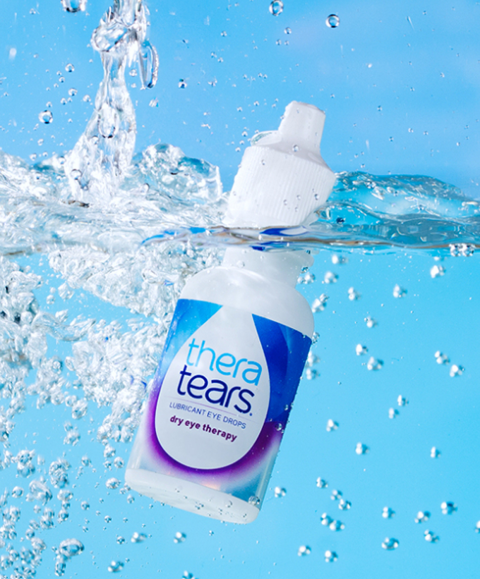
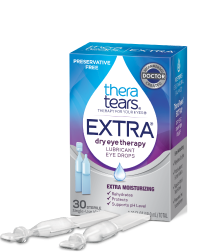
For people with chronic dry eye, sensitive eyes or those who use eye drops frequently, preservative-free options may be recommended. These preservative-free formulas come in either single-use vials or special bottles which have a filter in the cap. TheraTears® offers both traditional and preservative-free lubricating artificial tears, allowing consumers to choose the option that best fits their individual needs.
How often should I replace my eye drops?
Always follow the manufacturer's instructions regarding expiration dates and use after opening. If you notice any changes in the appearance of your eye drops or have questions about whether they should be replaced, consult your pharmacist or eye care professional.
Supporting Healthy Dry Eyes
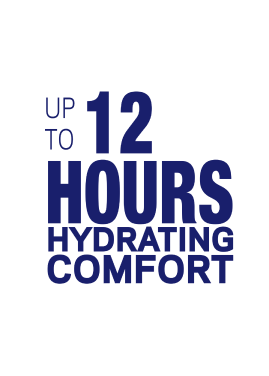
If you're experiencing burning, grittiness, irritation or tired-feeling eyes, lubricating artificial tears can help replenish moisture and provide relief. Founded by Harvard-trained ophthalmologist Dr. Jeffrey Gilbard, TheraTears® has spent decades helping consumers better understand and manage dry eye. The brand offers a range of science-backed lubricating artificial tears—including preservative-free options and formulas providing up to 12 hours of hydrating comfort—to help meet a variety of dry eye needs.
When Should You See an Eye Care Professional?
While occasional eye irritation is common, it's important to schedule an eye exam if you experience:
- Persistent discomfort
- Significant eye pain
- Sudden vision changes
- Light sensitivity
- Eye discharge
- Symptoms that continue despite treatment
An eye care professional can help determine the underlying cause of your symptoms and recommend the most appropriate treatment.
Healthy Habits Lead to Healthy Eyes
Using eye drops correctly is one of the simplest ways to support your eye health.
By following package directions, practicing good hygiene and choosing products that match your symptoms, you can feel more confident caring for your eyes every day.
If you're experiencing dry eye symptoms, lubricating artificial tears such as TheraTears are designed to help replenish moisture and provide lasting comfort. Most importantly, if your symptoms persist or you're unsure what's causing them, don't hesitate to consult an eye care professional.
Continue Exploring
Visit the Know Your Drops Resource Center for more educational resources: