Understanding the differences between eye drops can help you find the relief you're looking for.
If you've ever stood in the eye care aisle staring at dozens of different eye drops, you're not alone. From artificial tears and allergy drops to redness relievers and preservative-free formulas, today's options can feel overwhelming.
The good news? Choosing the right eye drops doesn't have to be complicated.
The first step isn't choosing a brand—it's understanding why your eyes are bothering you in the first place. Different eye drops are designed to address different symptoms, and selecting the right type of product can help you find more effective relief.
Whether you're experiencing dry, tired eyes after a long day at the computer or wondering why your eyes suddenly feel irritated, this guide can help you understand your options and know when it's time to speak with an eye care professional.
Quick Takeaways
✔ Not all eye drops serve the same purpose.
✔ Dry eye, allergies and redness often require different types of treatment.
✔ Lubricating artificial tears are specifically designed to help relieve dry eye symptoms.
✔ If symptoms are persistent, severe or accompanied by vision changes, consult an eye care professional.
Step One: Identify Your Symptoms
Before choosing an eye drop, ask yourself:
- Do your eyes feel dry or gritty?
- Do they burn or sting?
- Are they itchy?
- Are they watering excessively?
- Do they simply look red?
- Do your eyes feel tired after using digital devices?
The answers can help point you toward the type of product that best matches your needs.
Understanding the Different Types of Eye Drops
Lubricant Eye Drops / Artificial Tears
Lubricant eye drops, also known as artificial tears, are designed to supplement your natural tears and help restore moisture to the surface of the eye. They're commonly recommended for people experiencing symptoms such as:
- Dryness
- Burning
- Stinging
- Grittiness
- Irritation
- Tired-feeling eyes
Dry eye is one of the most common eye concerns, affecting millions of adults. Everyday factors like prolonged screen time, air travel, air conditioning, aging, hormonal changes and contact lens wear can all contribute to dry eye symptoms.
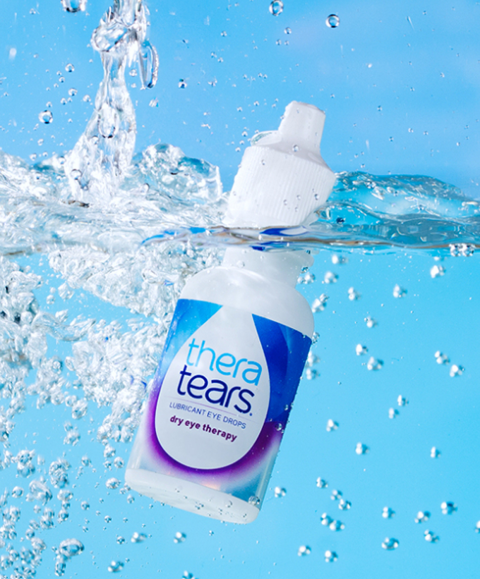
Brands like TheraTears® are specifically formulated to help replenish moisture and provide soothing relief for dry eyes. Founded by Harvard-trained ophthalmologist Dr. Jeffrey Gilbard, TheraTears was developed with the goal of supporting the eye's natural tear film and helping people better manage dry eye through science-backed innovation.
Allergy Eye Drops
If your eyes are itchy, watery and accompanied by seasonal allergies or other allergy symptoms, allergy eye drops may be the better option.
These products are especially formulated with antihistamines to address allergies —not dryness. But if you’re unsure of what you are treating, ask your doctor.
Redness Relievers
Redness-relieving eye drops work differently than artificial tears. They're intended to temporarily reduce the appearance of red eyes by constricting blood vessels.
While they may temporarily improve redness, they are not designed to treat dry eye or replenish moisture on the eye's surface.
If dryness or irritation is the underlying cause of your red eyes, a lubricating artificial tear may be a more appropriate choice.
Lubricating Gels & Nighttime Formulas
Some people experience more significant dryness, especially overnight or upon waking.
Lubricating gels and nighttime therapies are designed to provide longer-lasting moisture while you sleep, helping relieve symptoms that may be more noticeable first thing in the morning.
Should You Choose Preservative-Free Eye Drops?
Some artificial tears contain preservatives to help keep the product sterile after opening.
For people who use eye drops frequently or have particularly sensitive eyes, preservative-free options may be recommended by an eye care professional.
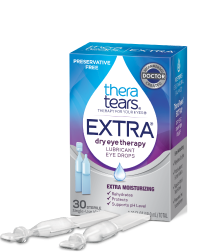
TheraTears offers both traditional and preservative-free artificial tear options, allowing consumers to choose the formulation that best fits their lifestyle and eye care needs.
What Makes Artificial Tears Different?
Healthy tears are more complex than many people realize. They contain water, oils and important electrolytes that help maintain the health and comfort of the eye's surface.
TheraTears contains a proprietary blend of OxyLytes™— the five vital electrolytes found in natural tears that help support hydration and eye comfort. The brand also offers a range of dry eye solutions, including Dry Eye Therapy, EXTRA Dry Eye Therapy, Preservative Free vials and Liquid Gel Nighttime Therapy, providing options for different levels of dry eye symptoms and lifestyles.
Healthy Eye Drop Habits
Regardless of which type of eye drop you use, following a few simple best practices can help protect your eye health:
- Always read and follow the package directions.
- Wash your hands before applying eye drops.
- Avoid touching the bottle tip to your eye, fingers or other surfaces.
- Store eye drops according to the manufacturer's instructions.
- Check expiration dates regularly.
- Never share eye drops with others.
When Should You See an Eye Care Professional?
Occasional dry eye is common and often manageable with over-the-counter lubricant eye drops.
However, you should schedule an eye exam if you experience:
- Persistent discomfort
- Significant eye pain
- Sudden vision changes
- Light sensitivity
- Eye discharge
- Redness that doesn't improve
- Symptoms that continue despite treatment
An eye care professional can help determine the underlying cause of your symptoms and recommend the most appropriate treatment plan.
Finding Relief Starts with Understanding Your Symptoms
The eye care aisle can feel overwhelming, but choosing the right eye drops begins with understanding why your eyes are bothering you.
If your symptoms are related to dry eye, lubricating artificial tears can help restore moisture and provide comfort. Products like TheraTears are designed specifically for dry eye relief and are available in a variety of formulations—including preservative-free options and extended hydration formulas—to meet different needs.
Most importantly, don't assume all eye drops do the same thing. Taking a few minutes to understand your symptoms—and choosing a product designed for those symptoms—can help you feel more confident about caring for your eyes.
Related Articles
Continue exploring the Know Your Drops Resource Center: