Eye care can feel confusing—but it doesn't have to be.
Whether you're experiencing dry eyes after a long day at the computer or wondering which eye drops are right for your symptoms, you're not alone. Eye care professionals hear many of the same questions from patients every day.
Here are answers to 10 of the most common questions to help you better understand your eye health and feel more confident choosing the right eye drops.
1. Are all eye drops the same?
No. Eye drops are formulated for different purposes, so choosing the right one starts with understanding your symptoms.
Some products are designed to:
- Relieve dry eyes by replenishing moisture
- Treat and soothe irritation
- Help manage allergy symptoms
- Temporarily reduce the appearance of redness
- Provide overnight lubrication
- Support contact lens comfort
If you're unsure which type of eye drop is right for you, talk with an eye care professional.
2. How do I know if I have dry eye?
Dry eye symptoms go beyond just dryness and can vary from person to person but often include:
- Burning
- Stinging
- Grittiness
- Scratchiness
- Tired or fatigued eyes
- Blurred vision that improves after blinking
- Watery eyes
If symptoms become persistent or interfere with daily activities, schedule an eye exam.
3. What's the difference between lubricant eye drops and redness relievers?
Lubricant eye drops are designed to replenish moisture and help relieve dry eye symptoms.
Redness relievers work differently—they temporarily reduce the appearance of red eyes by narrowing blood vessels.
Because they serve different purposes, it's important to choose the type of eye drop that matches your symptoms.
Learn more: Lubricant Eye Drops vs. Redness Relievers
4. Can I use lubricant eye drops every day?
Many lubricating artificial tears are intended for regular use when used according to the product directions.
If you find yourself needing eye drops much more frequently or your symptoms continue despite treatment, consult your eye care professional.
5. Why do my eyes water if they're dry?
It may seem surprising, but watery eyes can actually be a symptom of dry eye. When your eyes become irritated from dryness, they may produce reflex tears. Unfortunately, these tears often don't provide the long-lasting lubrication needed to relieve dry eye symptoms.
6. Should I choose preservative-free eye drops?
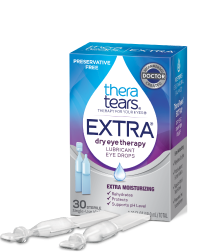
Preservative-free eye drops may be a good option for people with sensitive eyes or those who use lubricating artificial tears frequently. If you're unsure which option is right for you, your eye care professional can help guide your decision.
TheraTears® offers both traditional and preservative-free formulations to meet different dry eye needs.
7. How should I store my eye drops?
Always follow the storage instructions provided on the product label.
General best practices include:
- Keep the cap tightly closed.
- Store according to package directions.
- Avoid touching the bottle tip.
- Check expiration dates regularly.
8. When should I replace my eye drops?
Always follow the manufacturer's instructions regarding expiration dates and any recommendations for use after opening.
If you notice changes in the product's appearance or have questions about whether it should be replaced, consult your pharmacist or eye care professional.
9. When should I see an eye care professional?
Schedule an appointment if you experience:
- Persistent dry eye symptoms
- Significant eye pain
- Sudden vision changes
- Light sensitivity
- Eye discharge
- Symptoms that don't improve
An eye exam can help identify the underlying cause and determine the most appropriate treatment.
10. How do I choose the right eye drops?
The best eye drop is the one that's appropriate for your symptoms.
Start by asking:
- Are my eyes dry?
- Are they itchy?
- Do they burn?
- Are they simply red?
- Do I wear contact lenses?
- When do my symptoms occur?
Understanding what's causing your symptoms is the first step toward choosing the right solution.
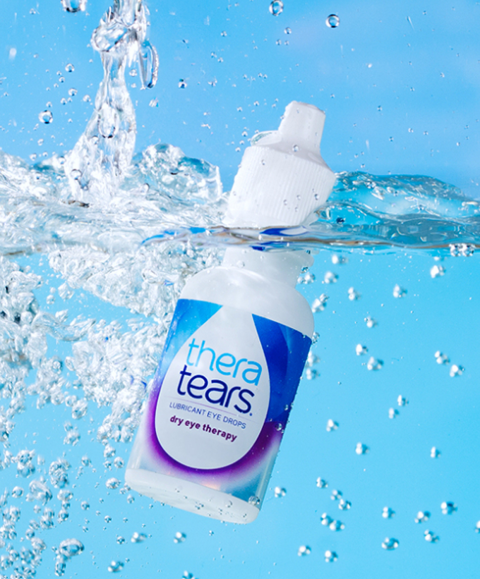
For people experiencing dry eye symptoms, lubricating artificial tears such as TheraTears® are designed to replenish moisture and provide lasting comfort. Founded by Harvard-trained ophthalmologist Dr. Jeffrey Gilbard, TheraTears has spent decades helping consumers better understand and manage dry eye through science-backed innovation.
Continue Learning
Want to learn more?
Visit our Know Your Drops Resource Center for expert guidance on: