If your eyes are red, dry or irritated, choosing the right type of eye drop starts with understanding what's causing your symptoms.
Standing in front of the eye care aisle can be confusing. With so many different eye drops available, it's easy to assume they all do the same thing. In reality, eye drops are formulated for different purposes—and choosing the wrong type may not address the underlying cause of your discomfort.
One of the most common areas of confusion is the difference between lubricant eye drops (“artificial tears”) and redness relievers. While both come in similar-looking bottles, they work very differently.
Here's what you need to know before reaching for eye drops.
Quick Takeaways
- Lubricant eye drops and redness relievers are designed for different purposes.
- Lubricant eye drops help replenish moisture and relieve dry eye symptoms.
- Redness relievers temporarily reduce the appearance of red eyes but are not intended to treat dry eye.
- Understanding your symptoms is the first step toward choosing the right eye drops.
- If symptoms persist or worsen, consult an eye care professional.
What Are Lubricant Eye Drops?
Lubricant Eye drops are designed to supplement your natural tears and help keep the surface of the eye comfortable and hydrated.
They're commonly recommended for people experiencing symptoms such as:
- Dryness
- Burning
- Stinging
- Grittiness
- Irritation
- Eyes that feel tired or fatigued
- Discomfort after prolonged screen use
- Mild discomfort associated with contact lens wear (when used as directed)
Dry eye can occur when your eyes don't produce enough tears or when your tears evaporate too quickly. Environmental conditions, screen time, aging, hormonal changes, certain medications and travel can all contribute to dry eye symptoms.
Lubricant eye drops help restore moisture, improving comfort and supporting the eye's natural tear film.
What Are Redness Relievers?
Redness-relieving eye drops work differently.
Rather than adding moisture, they temporarily reduce the appearance of red eyes by narrowing small blood vessels on the surface of the eye. This can make eyes appear whiter for a period of time. However, redness itself isn't a diagnosis. It can be caused by a variety of factors, including:
- Dry eye
- Allergies
- Irritation
- Fatigue
- Contact lenses
- Environmental conditions
- Underlying eye conditions
That's why understanding why your eyes are red is important before selecting a product.
Lubricant eye drops vs. Redness Relievers: A Side-by-Side Comparison
| Lubricant eye drops | Redness Relievers |
| Help replenish moisture | Temporarily reduce the appearance of redness |
| Designed for dry eye symptoms | Designed to temporarily relieve redness due to minor eye irritation, when used as directed. |
| Help lubricate the surface of the eye | Work by constricting blood vessels |
| May be appropriate for repeated use to relieve dry eye symptoms when used as directed | May not address the underlying cause of redness |
How Do You Know Which One You Need?
Start by asking yourself:
Do your eyes feel...
✔ Dry?
✔ Gritty?
✔ Burn or sting?
✔ Tired after screen time?
These symptoms may suggest dry eye. Lubricating artificial tears are specifically designed to help replenish moisture and relieve these symptoms.
Or are your eyes...
✔ Red but otherwise comfortable?
✔ Itchy during allergy season?
✔ Irritated after exposure to smoke or wind?
The cause may be something different, and choosing the appropriate eye drop depends on the underlying reason for your symptoms.
If you're unsure, an eye care professional can help determine the best option.
Why Dry Eye Is Often Misunderstood
One reason people reach for redness relievers is because dry eyes often look red. But redness is only one possible symptom of dry eye.
Many people also experience:
- Burning
- Scratchiness
- Blurred vision that improves with blinking
- Watery eyes
- Eye fatigue
- Light sensitivity
Because these symptoms overlap with other eye conditions, it's important to focus on the full picture—not just whether your eyes look red.
Understanding Lubricant eye drops
Artificial tears are formulated with ingredients that help lubricate and moisturize the eye’s surface.
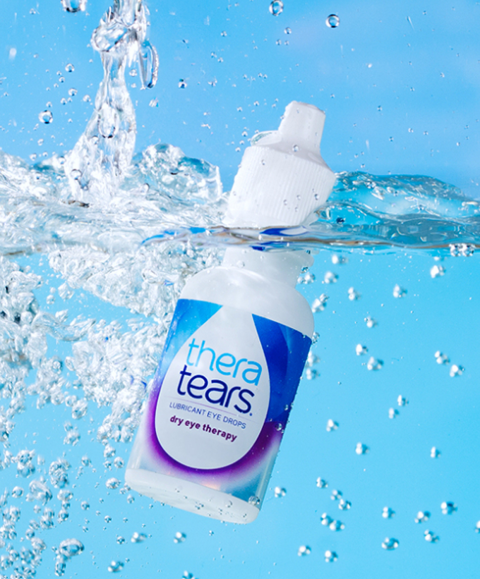
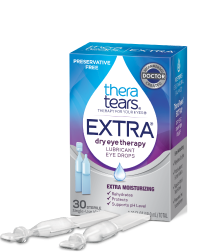
TheraTears® was founded by Harvard-trained ophthalmologist Dr. Jeffrey Gilbard, whose work focused on helping people better understand and manage dry eye. Today, TheraTears offers a range of lubricating artificial tears designed specifically for dry eye relief, including preservative-free options and formulas that provide extended hydration. The brand's proprietary OxyLytes™ formulation contains five electrolytes found in natural tears, helping support moisture and comfort for dry, irritated eyes.
Healthy Eye Care Tips
Regardless of which eye drops you use, a few simple habits can help support healthy eyes:
- Wash your hands before applying eye drops.
- Avoid touching the bottle tip to your eye or fingers.
- Follow the directions on the product label.
- Check expiration dates regularly.
- Store products according to package instructions.
- Never share eye drops.
When Should You See an Eye Care Professional?
Occasional eye irritation is common, but you should seek professional care if you experience:
- Persistent redness
- Significant eye pain
- Vision changes
- Light sensitivity
- Eye discharge
- Symptoms that don't improve
An eye care professional can help identify the underlying cause and recommend the most appropriate treatment.
Choosing the Right Eye Drops Starts with Understanding Your Symptoms
Not all eye drops are designed for the same purpose.
If you're experiencing dry, irritated eyes, lubricating artificial tears may help replenish moisture and provide relief. If redness is your primary concern, it's worth understanding what's causing it before choosing a product.
The best approach is to match the eye drop to your symptoms—and seek professional guidance if you're unsure.
By taking a few moments to understand your eye health, you can feel more confident selecting the right solution for your needs.
Learn More
Continue exploring the Know Your Drops Resource Center: